MARKET ·2 AUGUST 2026 ·9 MIN READ
How the market for ancillary services works.
FCR, aFRR, mFRR, wholesale arbitrage and capacity payments — what each product actually buys, who buys it, how it is priced, and why a battery is the cheapest way to deliver it.
Start with the physics, not the market
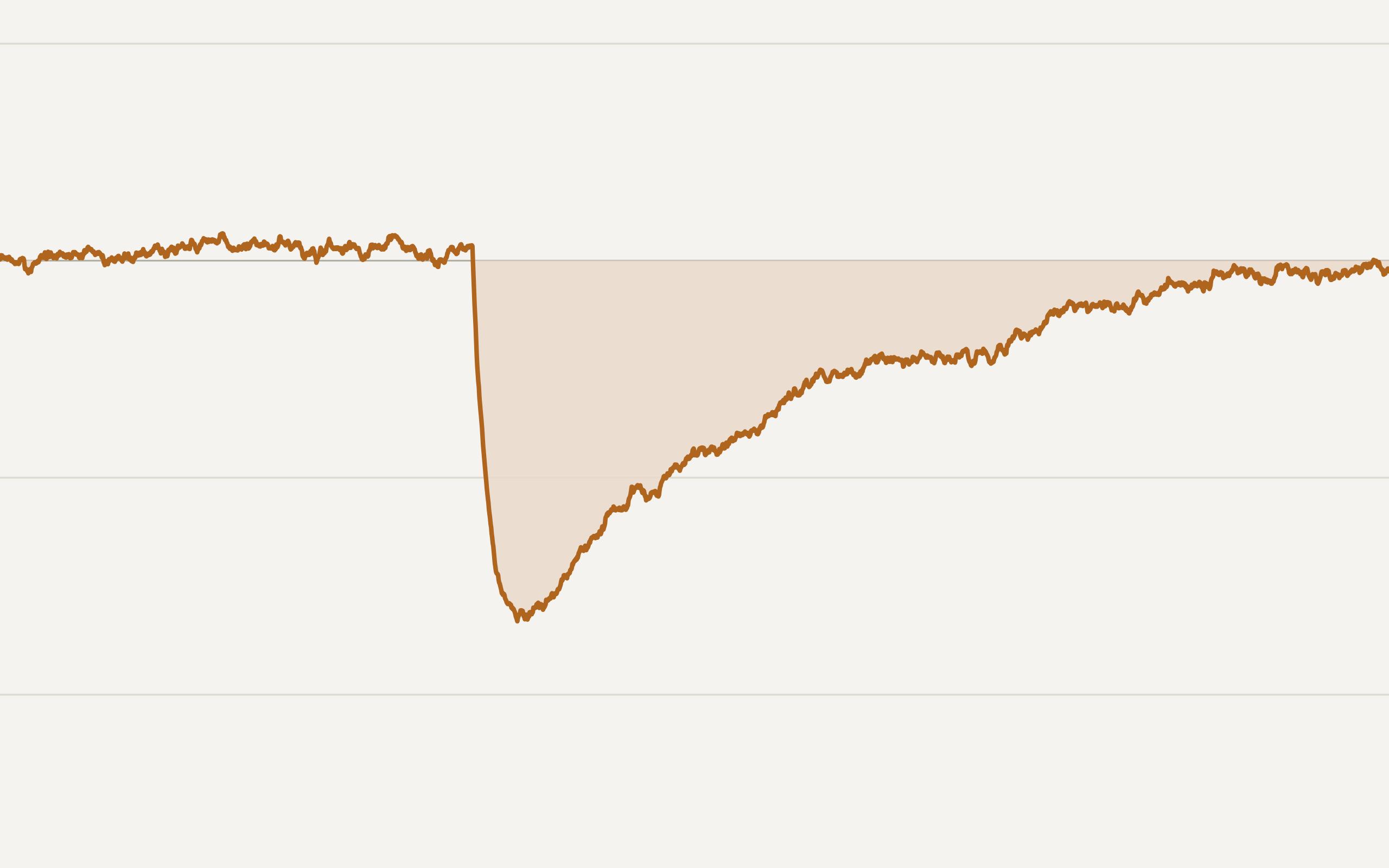
A power system has no meaningful storage in it by default. Every second, the electricity generated has to equal the electricity consumed. If generation exceeds demand, the whole synchronous system speeds up and frequency rises above 50 Hz. If demand exceeds generation, it slows down and frequency falls. Deviate far enough and protection equipment disconnects plants and load — a blackout.
Nobody can forecast demand and wind output perfectly, so the imbalance is continuous and unavoidable. The transmission system operator (TSO) therefore buys a set of standardised products from market participants that can change their power output on command, within a defined number of seconds. Those products are the ancillary — or supporting — services market. It is not a subsidy scheme. It is the TSO procuring a physical capability it is legally obliged to hold.
The three reserves, in the order they act
Reserves are layered. Each one is faster but more expensive than the one behind it, and each one buys time for the next to take over.
FCR
FREQUENCY CONTAINMENT RESERVE · 0–30 SEC
The reflex. Fully automatic and local: the unit measures grid frequency itself and adjusts power proportionally within seconds, no instruction from anyone. FCR does not restore frequency to 50 Hz — it stops the fall and holds it inside a safe band. Procured as symmetric capacity (up and down) in MW, paid per MW per hour of availability whether or not it is ever activated.
aFRR
AUTOMATIC FREQUENCY RESTORATION · 30 SEC–5 MIN
The correction. The TSO's central controller sends a setpoint signal every few seconds and the unit must follow it continuously. aFRR pushes frequency back to exactly 50 Hz and releases the FCR so it is ready for the next event. Two payments: a capacity fee for standing ready, plus an energy fee for the MWh actually delivered up or down.
mFRR
MANUAL FREQUENCY RESTORATION · 5–15 MIN
The relief. Manually dispatched by the control room, typically for longer or larger imbalances — a plant trip, a forecast error that persists. It replaces the aFRR so that the automatic reserve is freed up again. Capacity plus energy, but activated far less often and with lower capacity value.
ONE IMBALANCE EVENT, IN REAL ORDER
FCR
0 – 30 SECONDS
Stops the fall
Every prequalified unit reacts on its own frequency measurement — no instruction, no operator. The deviation is contained, not corrected.
aFRR
30 SECONDS – 5 MINUTES
Corrects it back to 50 Hz
mFRR
5 – 15 MINUTES
Relieves the automatic reserve
MARKET
AFTER 15 MINUTES
The imbalance is traded away
How they are actually procured and paid
In the Baltics these products are bought in day-ahead capacity auctions, hour by hour or in four-hour blocks, on a pay-as-cleared basis: everyone who clears receives the marginal price, not their own bid. A provider who wins an FCR block is paid €/MW/h simply for keeping that headroom available and provably responsive — availability is the product.
Activation energy is settled separately. For aFRR and mFRR, delivering upward energy means being paid for MWh you inject; delivering downward energy means being paid to absorb MWh, which for a battery is being paid to charge. Failure to deliver is penalised and, repeated, costs prequalification. That is why the TSO's technical tests — response time, accuracy, state-of-charge management — matter more than nameplate capacity.
Prices are set by scarcity of fast capability in the bidding zone, not by the cost of fuel. When few assets can respond in seconds, clearing prices rise sharply; when new batteries connect, they compress. This is the core reason we treat grid connection capacity — not the battery itself — as the scarce asset.
Wholesale arbitrage: the other half of the stack
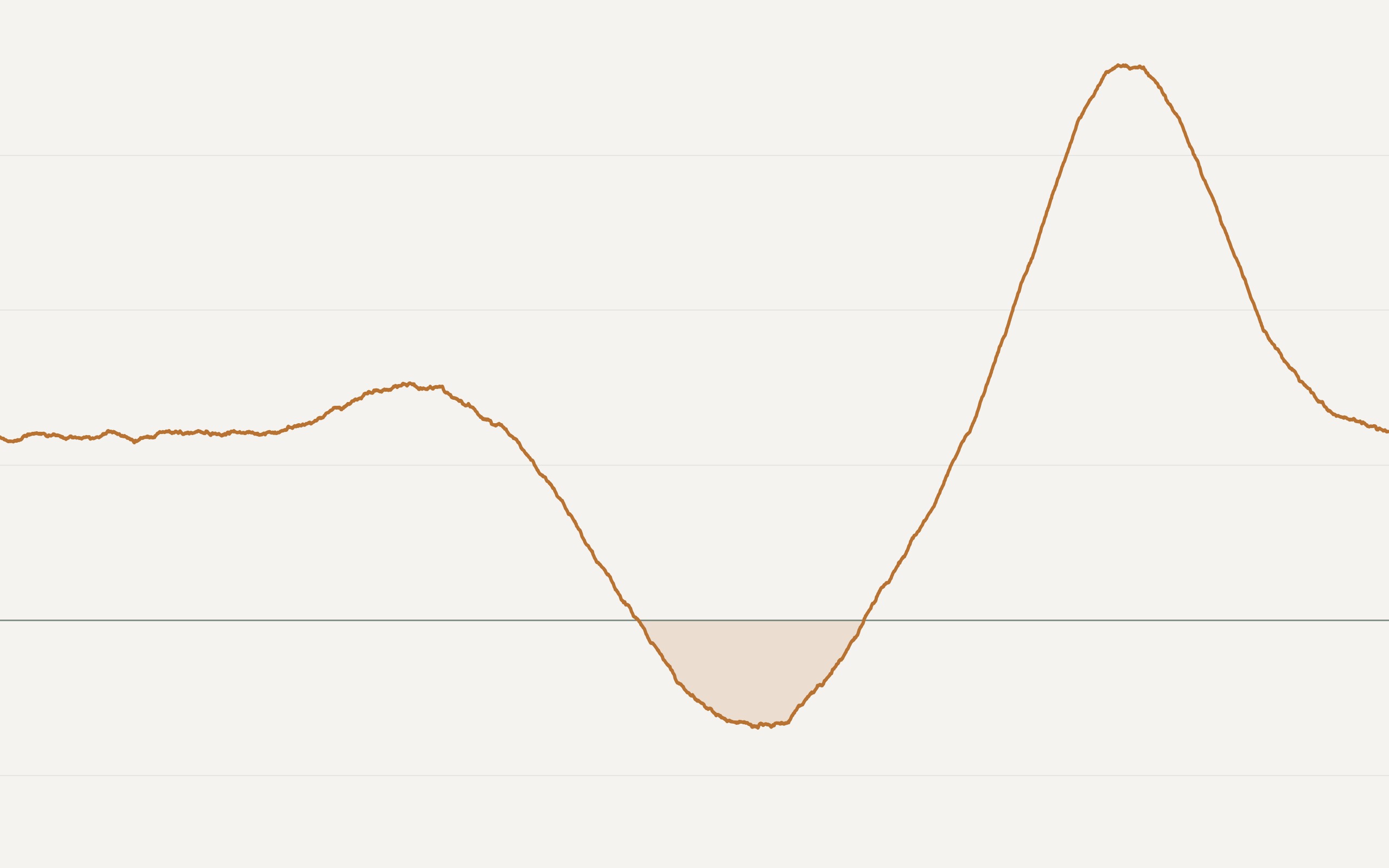
Separate from reserves, the day-ahead and intraday markets price energy itself, hour by hour and quarter hour by quarter hour. Solar-heavy midday hours push prices down, sometimes negative; evening peaks push them up. Arbitrage is the plain trade: charge when the spread is cheap, discharge when it is expensive, and capture the difference less round-trip efficiency losses of roughly 10–15%.
Arbitrage alone rarely justifies a battery in this market. Its role is complementary: it monetises hours when reserve prices are weak, and — critically — it is how the asset manages its state of charge so that it can keep meeting reserve obligations at the moments those obligations are most valuable.
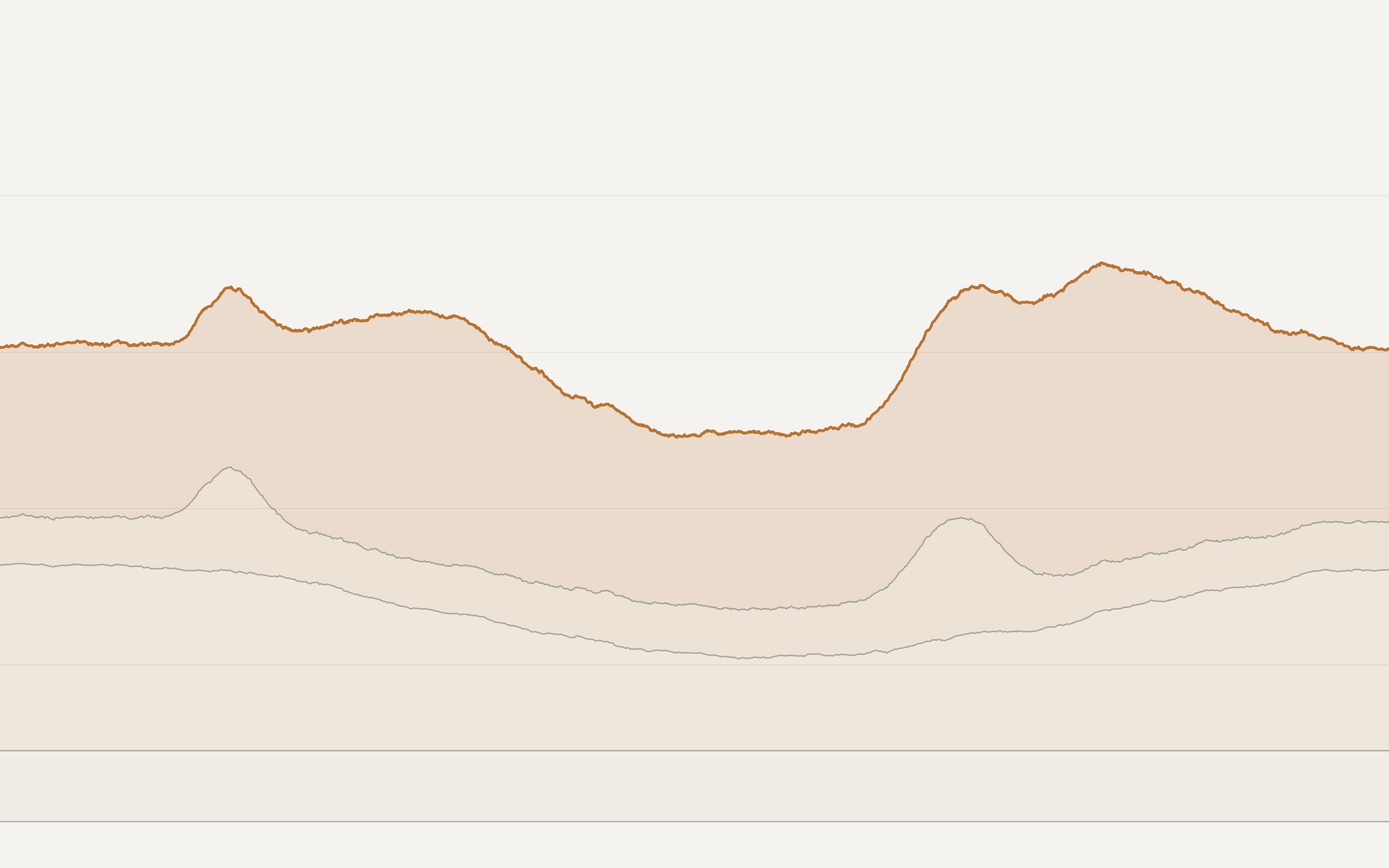
WHEN EACH SERVICE IS APPLIED — ONE TRADING DAY
00:00 – 06:00 · FCR
Night: reserve prices clear high, energy spreads flat. Hold symmetric capacity.
00:00 – 06:00 · FCR
Night: reserve prices clear high, energy spreads flat. Hold symmetric capacity.
Capacity payments and the fourth layer
Some markets add a capacity mechanism: a payment for being physically present and available at system peak, independent of energy or reserve activity. Where it exists, it is a floor under the business case rather than a driver of it — long-dated, administratively set, and useful precisely because it is uncorrelated with the volatility that produces the rest of the revenue.
Why the streams stack rather than compete
A single battery does not choose one revenue stream for its lifetime. It re-optimises continuously: hold FCR capacity through the night when reserve prices clear high and energy spreads are flat, shift to aFRR through the morning ramp, capture the evening arbitrage spread, and stand ready for mFRR activation throughout. The stack is possible because the products use different time horizons of the same physical MW.
This is also why revenue estimates presented as a single number are misleading. What matters is the distribution: how often each product clears above the asset's opportunity cost, and how well the trading layer switches between them.
Why the Baltics specifically
Since desynchronising from the BRELL ring and joining the Continental European system, the Baltic TSOs procure their reserves domestically rather than leaning on a neighbouring control area. Balancing capacity cannot simply be imported across an interconnector the way energy can — the reserve has to sit inside the zone that needs it. A small system with rising renewable penetration and a limited stock of fast-responding plant produces exactly the scarcity that supporting-services prices reward.
That premium is not permanent. It persists for as long as connectable grid capacity is scarce, which is why we build now, on connections already secured, rather than optimise for a market that will be more crowded in five years.
IN ONE PARAGRAPH
The grid must be balanced every second. FCR stops a deviation, aFRR corrects it, mFRR relieves it, and arbitrage prices the energy in between. A battery is the only asset that can sell into all four from the same megawatt — and in the Baltics, the capability is scarce and cannot be imported.
This article is general market explanation and does not constitute investment advice or an offer of securities.