THE CASE FOR STORAGE ·30 AUGUST 2026 ·8 MIN READ
How a grid-scale battery earns: four revenue streams, stacked.
A gas plant sells one thing. A battery sells four — to different buyers, in different markets, sometimes in the same fifteen minutes. What each stream pays for, and why the mix matters more than the total.
Two jobs, four products
Strip away the market jargon and a battery does exactly two jobs. The first is moving energy through time: charge when power is cheap or abundant, discharge when it is scarce or expensive. The second is selling readiness: being paid to stand by, able to inject or absorb power within seconds to hold the grid's frequency at 50 Hz.
Those two jobs open into four market products. Trading energy happens in the wholesale markets — day-ahead and intraday. Readiness is sold in the balancing markets, and it pays on two separate legs: a fee for reserving capacity, and a payment for energy actually delivered when the grid calls. The fourth stream, where it exists, is a capacity payment — a fee for simply being firm, available capacity on the system.
One physical asset, four income lines. And crucially, the same megawatt earns across all of them: the streams are stacked, not chosen between. The battery's real product is not stored energy — it is speed, the ability to swing from absorbing to injecting in milliseconds, offered to whichever market values it most in that interval.
Wholesale arbitrage
DAY-AHEAD & INTRADAY · STRUCTURAL
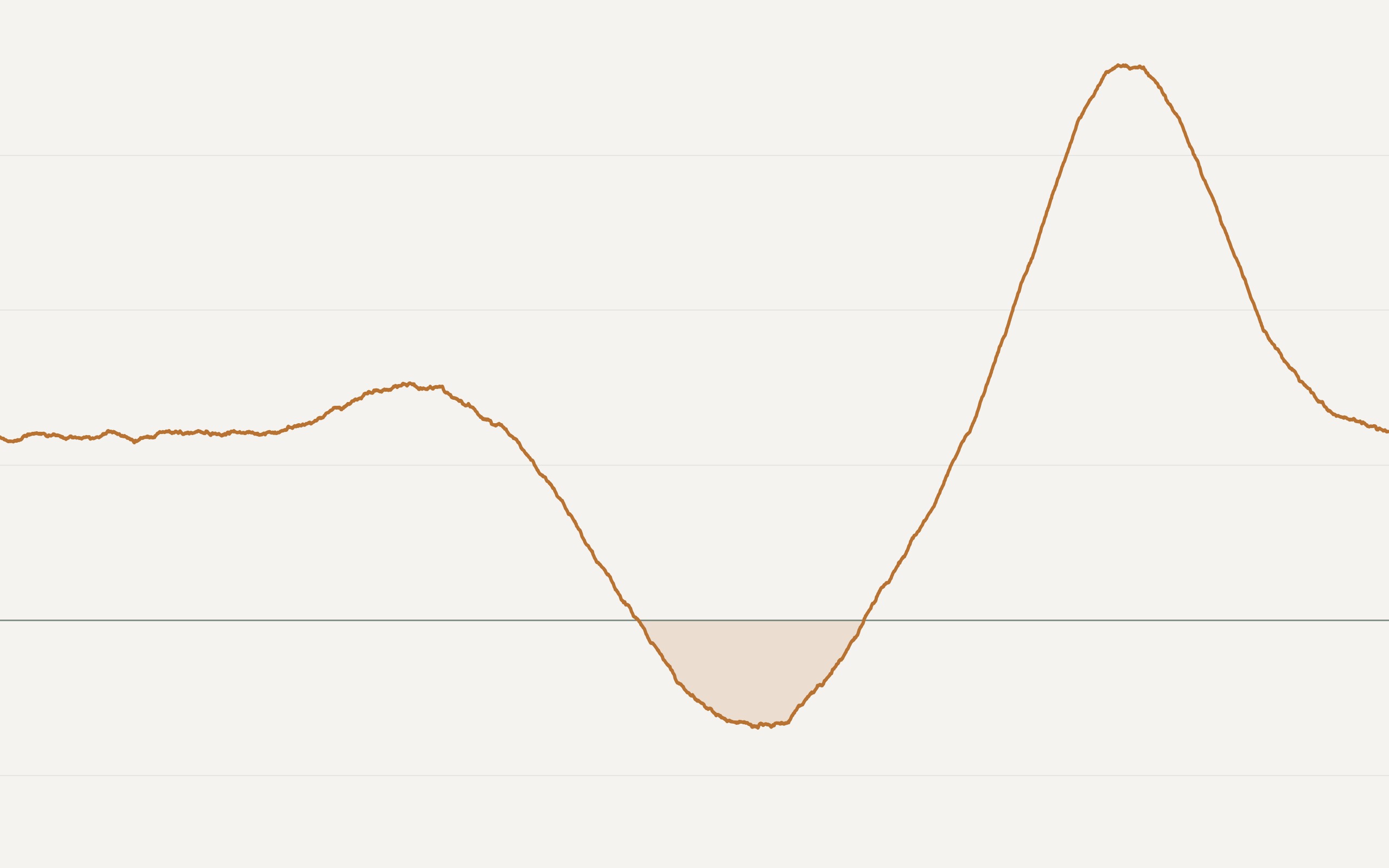
Buy the midday trough, sell the evening ramp. Priced by the shape of the day rather than a fixed pot, which is why it does not saturate the way reserves do. The floor under any serious underwriting case.
Ancillary capacity
FCR · aFRR · mFRR · SCARCITY RENT
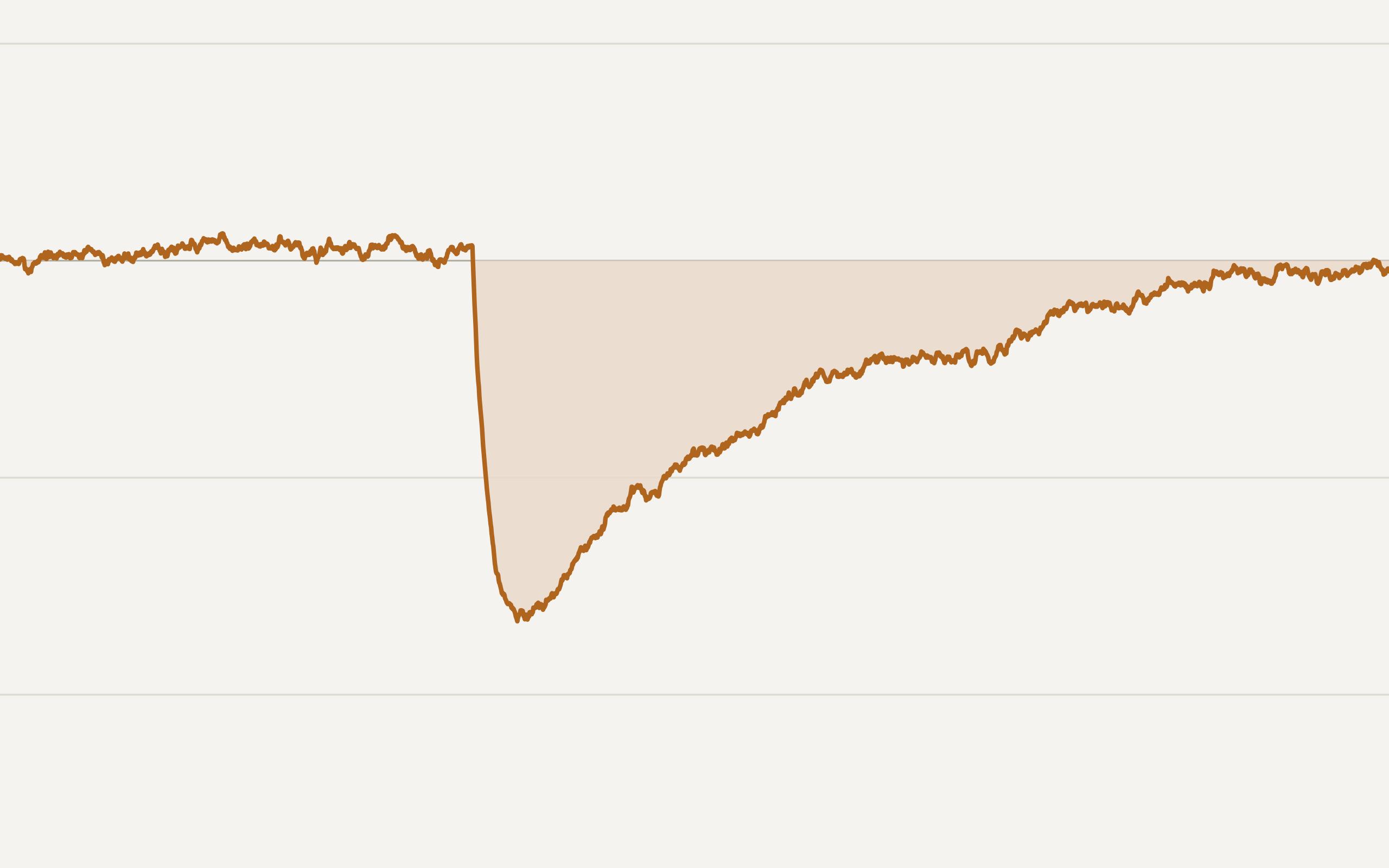
€/MW per hour for holding capacity ready, called or not. The premium stream in a young market — and the first to compress once enough fast assets prequalify.
Balancing energy
ACTIVATED MWh · EVENT-DRIVEN
Paid again when the grid actually calls: per MWh injected when the system is short, per MWh absorbed when it is long. For a battery, downward activation means being paid to charge.
Capacity payments
WHERE LEGISLATED · BANKABLE
A multi-year, administratively set fee for being firm capacity. Prized for its shape rather than its size — it is what lenders underwrite. Latvia has none today.
Wholesale arbitrage — the base layer
The simplest stream is the one everyone intuits: buy low, sell high. The day-ahead market prices power for every hour — now every fifteen minutes — of the following day; the intraday market trades continuously closer to delivery. A battery charges in the midday solar trough or the overnight lull and discharges into the morning and evening ramps, capturing the spread less round-trip losses.
What drives this stream is not the average price but the shape of the day. Solar-heavy systems have made that shape extreme: cheap, sometimes negative middays framed by steep evening peaks. In Latvia, the within-day spread has run between €72 and €155/MWh over the past ten months, averaging about €117 — and even the softest month held above €70. Winter demand peaks and summer solar troughs alternate as the cause, which is why wide spreads persist across seasons rather than washing out.
Arbitrage has one property that makes it the bedrock of any serious underwriting case: it does not saturate the way reserve markets do. The spread is set by the generation mix — how much solar floods the midday, how often gas sets the evening price — not by how many batteries compete for a fixed pot. More storage narrows spreads eventually, but slowly and from a structural source. This is the revenue floor.
Ancillary capacity — paid to stand ready
The second stream is availability itself. Transmission system operators buy frequency reserves in three products, ordered by speed: FCR, responding within about thirty seconds; aFRR, activating in seconds under automatic control; and mFRR, the manual reserve arriving within minutes. A battery that wins a reserve auction is paid in €/MW per hour simply for holding capacity ready — whether or not it is ever called.
In a young market this is the premium stream. Reserves must be supplied locally — frequency response cannot be imported over a DC cable — so where fast, flexible assets are scarce, standing ready commands a scarcity rent. But the same logic makes it the first stream to saturate: the need is a fixed number of megawatts, and once enough batteries connect to fill each reserve pot, the clearing price steps down toward a battery's opportunity cost — the arbitrage it gives up by standing ready — and stops being a premium at all.
£110k → under £30k
GB frequency-response revenue per MW per year, 2020 to 2024 — the benchmark for how fast an ancillary premium compresses once a competitive fleet qualifies.
Great Britain is the cautionary benchmark. GB batteries earned roughly 80% of their revenue from frequency response in 2020–22; capacity then tripled while reserve demand grew only modestly, and frequency-response revenue collapsed from over £110k to under £30k per MW per year by 2024. The revenue did not vanish — it rotated into wholesale trading. Anyone underwriting a battery today should treat ancillary capacity as a real but dated premium: valuable now, structurally fading, never the number a business case stands on.
Balancing energy — paid again when the grid calls
Here is the stream most overviews miss: reserves pay twice. Beyond the availability fee, a battery is paid separately for the energy it actually delivers when activated — per MWh injected when the system runs short, or per MWh absorbed when it runs long. For a battery, downward activation is being paid to charge.
Activation energy is settled at prices that reflect the system's stress in that quarter-hour, exchanged across European platforms — MARI for manual reserves, PICASSO for automatic ones. In thin markets these prices can be extreme: Baltic balancing energy has spiked to ±€10,000/MWh. Capturing those moments is an operating skill — it means holding state of charge in reserve precisely so the battery can respond when the spike arrives, and it rewards the operators who treat charge management as a trading decision rather than an afterthought.
The economics of this stream behave like arbitrage, not like the capacity fee: it is event-driven, paid per unit delivered, and it does not saturate the same way — a stressed system needs energy from whoever can deliver it, at whatever price clears. As the availability fees compress, activated balancing is where much of the durable balancing value migrates.
Capacity payments — the fourth leg, where it exists
The final stream is the steadiest and the least universal: a capacity market, where the system pays €/MW for firm, available capacity as insurance against scarcity. Poland, France and Germany run versions of it; under the EU's 2024 market reform, capacity mechanisms are becoming an increasingly structural feature of European market design. For storage, a capacity contract is prized less for its size than for its shape — a multi-year, government-backstopped revenue line is exactly what lenders can underwrite, which is why capacity markets tend to unlock cheaper debt wherever they arrive.
But it must actually exist in your bidding zone. Latvia has no capacity market today — a battery there earns on two legs, arbitrage and balancing, not three. The honest treatment is the one we apply ourselves: model the market you are in, not the market you hope arrives, and if a capacity mechanism comes later, let it be upside rather than a load-bearing assumption.
The stack in practice — one megawatt, one choice per interval
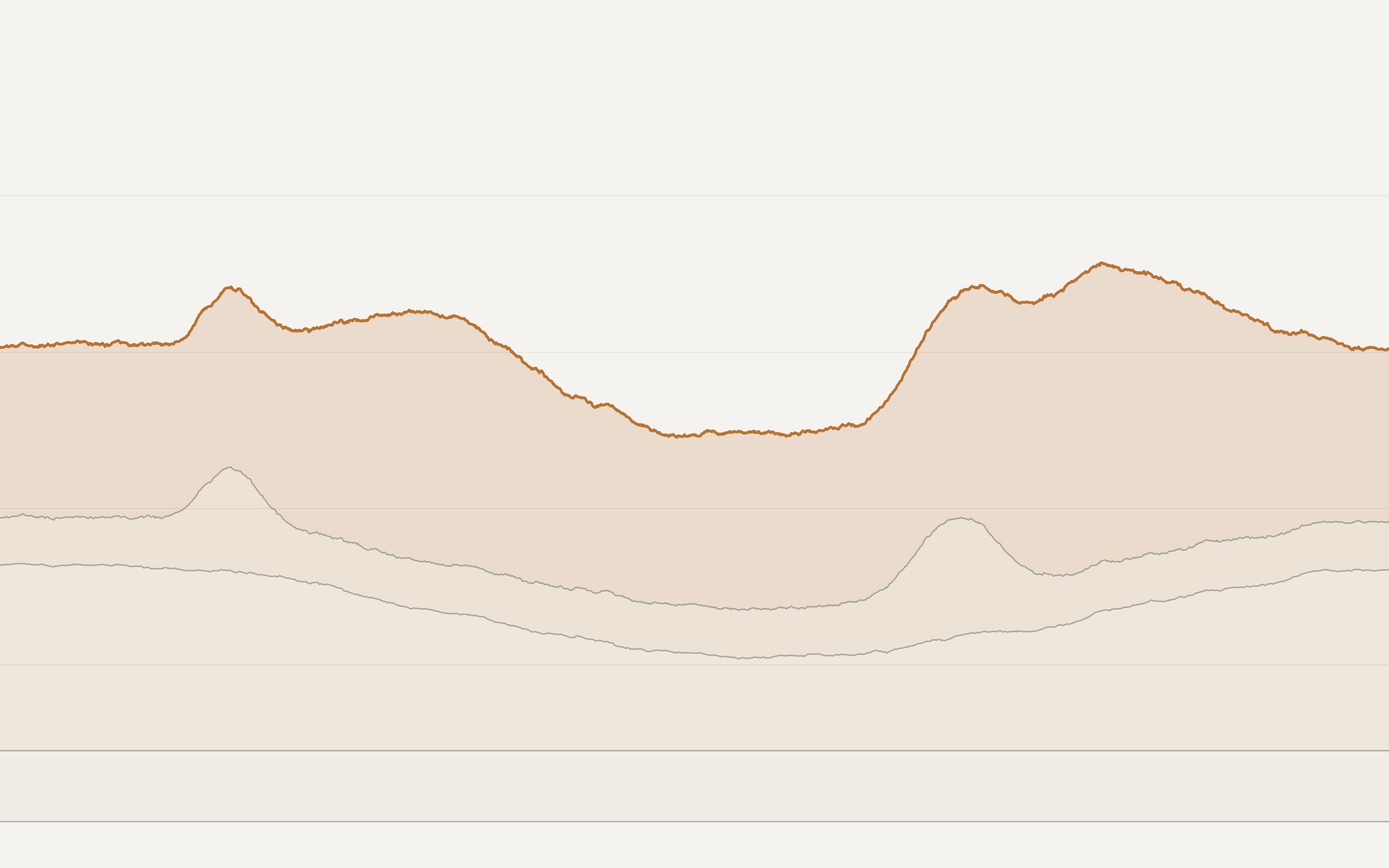
The four streams are not four separate businesses; they compete for the same physical megawatt, interval by interval. A megawatt held in reserve cannot simultaneously run a full arbitrage cycle; energy discharged into the evening peak is energy unavailable for an activation ten minutes later. Every quarter-hour, something — an energy management system, an aggregator's trading desk — has to decide which market values this asset most right now, with each bid floored at the opportunity cost of the alternatives.
This co-optimisation is where battery returns are actually made or lost. Two identical batteries in the same market can earn materially different revenue purely on dispatch quality — the difference between a low-teens and a low-twenties return sits in the software and the operator, not the hardware. It is also why the revenue mix shifts over an asset's life without any change to the machine: ancillary-heavy in the early scarcity years, rotating toward arbitrage and activated balancing as reserve pots fill. The battery doesn't change. The market around it does.
What we take from it
Read the four streams by durability and the underwriting discipline writes itself. Arbitrage is structural — anchored in the daily shape of a solar-heavy grid — and slow-moving. Balancing energy is event-driven and behaves like arbitrage. Ancillary capacity is a scarcity rent on a timer: real money today, compressing on a schedule you can roughly read from the connection queue. Capacity payments are bankable where legislated and imaginary where not.
So we underwrite the decline, not the peak: plan on the falling revenue curve, size debt against the streams that persist, bank the scarcity years as acceleration rather than assuming they last.
IN ONE PARAGRAPH
A battery is a machine for selling flexibility into four markets at once — and the investors who do well by it are the ones who know which of those four markets will still be paying in year eight.
Sources and further reading: reserve market structure per ENTSO-E and the Baltic TSOs (AST, Litgrid, Elering); Latvian price and spread data from ENTSO-E / Nord Pool via energy-charts.info; GB frequency-response revenue history per Modo Energy's GB BESS Index; Baltic balancing energy prices per TSO transparency data; EU capacity mechanism context per the 2024 electricity market design reform.
This article is general market explanation and does not constitute investment advice or an offer of securities.